
Keynote Speakers
Meet Your Keynote Speakers
Opening Keynote:
Beth Pratt
Friday, November 6, 2026
10:15 AM – 11:15 AM
Science + Storytelling = Action
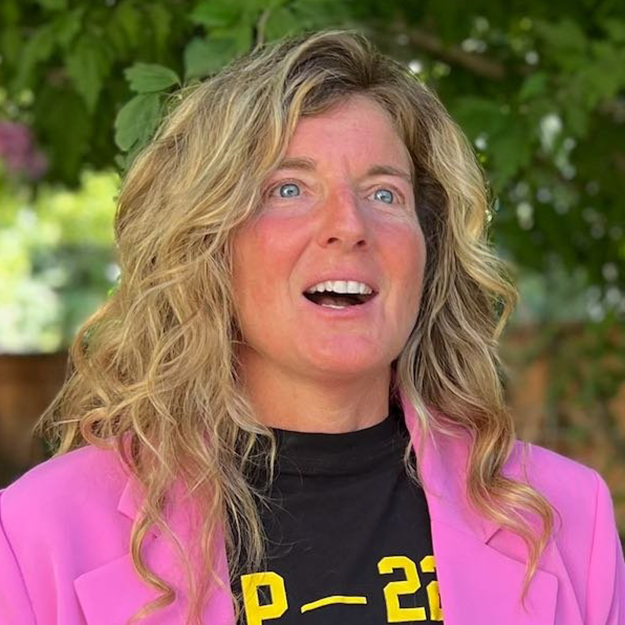
The Wallis Annenberg Wildlife Crossing, set to open in December this year, demonstrates the power of storytelling and movement building toward science action. Beth Pratt, a conservation leader and author, will talk about the importance of connecting people in meaningful ways to the “story behind the science,” using the example of how the plight of P-22 inspired a global movement toward connectivity and took the Annenberg Wildlife Crossing from a near impossible dream to a reality.
Closing Keynote:
John Muir Laws
Sunday, November 8, 2026
10:00 AM – 11:00 AM
Science, Critical Thinking and Society
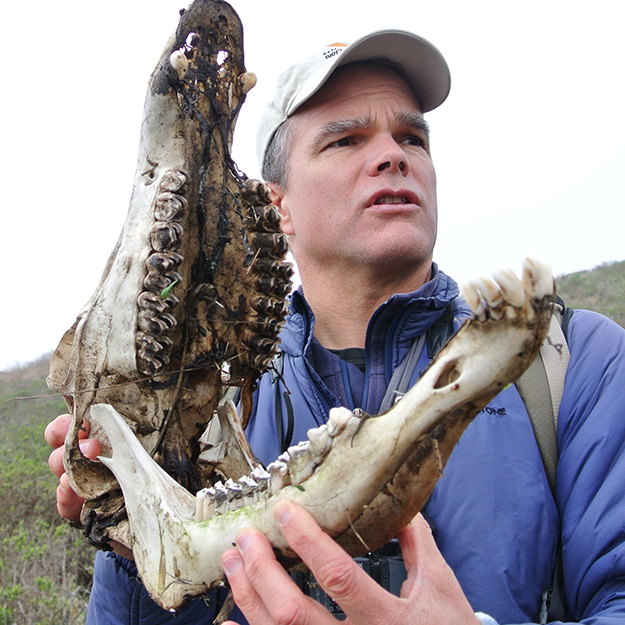
Sorting fact from fiction and sense from nonsense is important now more than ever. In the face of this, science is a useful part of our critical-thinking toolkit. There is confusion about what is and isn’t science in the general public. In some cases, the definition and bounds of science are deliberately manipulated to sow confusion or distrust. As science communicators, we can help by having a practical understanding of how science is done and the utility and humility of the process. This also helps us catch and reframe key misconceptions about the nature of science. Keeping a journal is an important part of this process as it allows us to record both our observations in a way that will not be transmuted by the vagaries of memory and to reveal to ourselves our own thinking process and reasoning.
Upcoming Conferences
- 2026 Conference
November 6-8, 2026
Sacramento, CA
Sacramento Convention Center - 2027 Conference
October 8-10, 2027
Pasadena, CA
Pasadena Convention Center

Quick Links
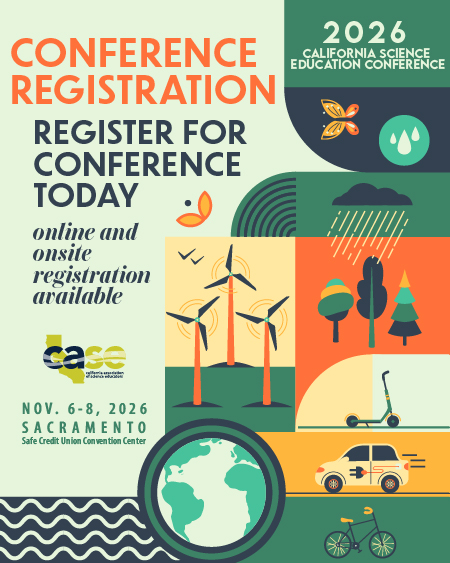
Conference Registration Open
- Full Price (10/1 through Conference)
- If you have already registered and need to purchase ELAD or Conference Add-Ons (BEGIN HERE)